


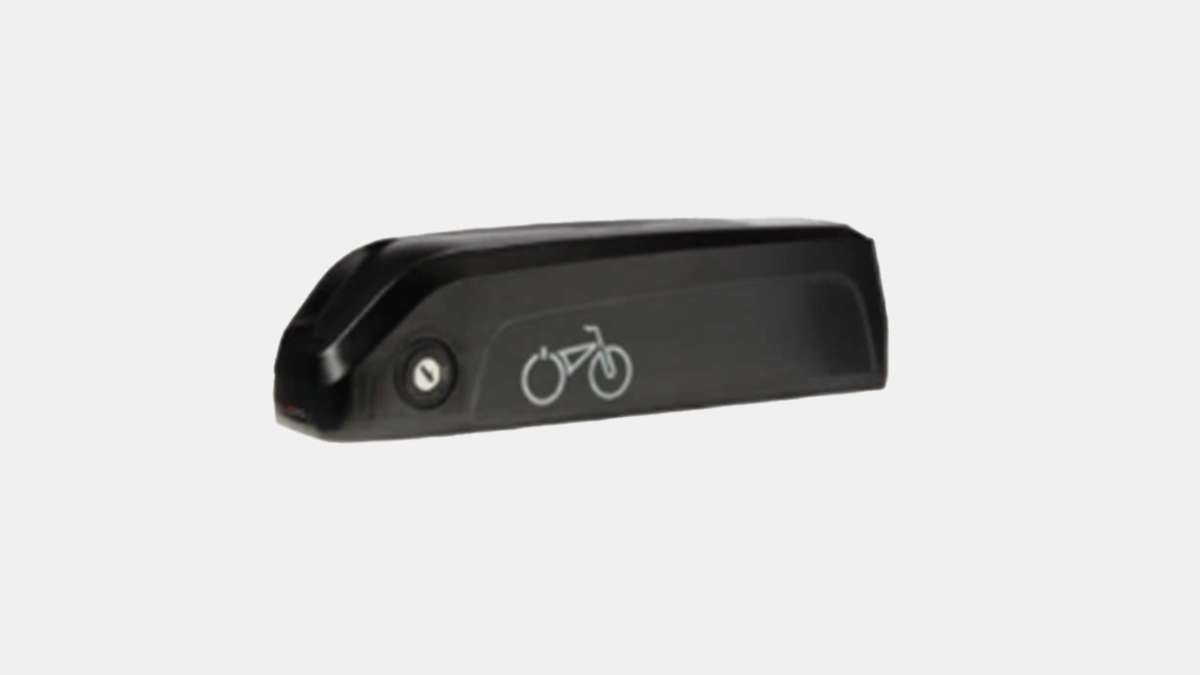
Rad Power Bikes has refused to agree to a voluntary recall. It told the CPSC that to offer full refunds or replacements for all batteries would be financially ruinous. In a statement on the company’s website, Rad Power Bikes said that it “firmly stands behind our batteries and our reputation as leaders in the e-bike industry, and strongly disagrees with the CPSC’s characterization of certain Rad batteries as defective or unsafe.”
“Lithium-ion battery fires can be fatal, and the CPSC’s safety warning should be taken seriously,” says Gabe Knight, senior safety analyst at Consumer Reports. “Everyone with one of these batteries should follow the agency’s advice to immediately stop using it, and dispose of it safely by following local hazardous waste disposal procedures. Yesterday’s warning is a stark reminder that there are no federal safety standards for e-bike batteries, leaving countless Americans at risk of serious injury or death.”
Consumer Reports reached out to the company with several questions, including whether it is offering any remedy to consumers who want to replace their batteries, whether the two battery models will continue to be sold, and if the company could provide a list of Rad Power e-bikes that were not sold with these batteries. But the company didn’t respond to our specific questions, and only emailed us a copy of the statement on its website.
In 2024, Rad Power Bikes announced that its two new e-bike models and two upgrades to existing models would be fitted with its new line of lithium-ion batteries, called Safe Shield. Safe Shield batteries are UL-certified, which is a voluntary industry standard. (The two batteries referenced by the CPSC warning are not UL-certified, UL confirmed to CR.)
In its statement about this week’s CPSC warning, Rad Power said that during the CPSC investigation, it offered to upgrade its customers who have RP-1304 and HL-RP-S1304 batteries to Safe Shield models at a discount. But the CPSC determined that was an insufficient remedy for a recall. Rad Power Bikes did not answer our question about whether it is currently offering such a discount to affected customers.
Rad Power bike owners who have one of these batteries and remove it can still ride their bikes without the e-assist—but it will be tough, as e-bikes are generally heavier than traditional bikes, says Rich Handel, who leads CR’s testing of e-bikes. He recommends that consumers not opt for an aftermarket replacement battery, because the UL certifications on them can be counterfeit. Buying a Safe Shield replacement battery directly from Rad Power Bikes is an option, although reports of the company’s financial distress could mean consumers have a limited window in which to make those purchases.
Fires caused by e-bike batteries have been an ongoing problem. Handel says consumers should take precautions to reduce the risk of battery fires, including doing the following.
- Always inspect the battery before charging and look for any signs of damage, such as dents, bulging, or unusual odors.
- Take care of the battery by keeping it away from water and dirt. If exposed, check for water ingress and corrosion.
- Stop using the battery immediately if you notice any issues and contact the manufacturer for assistance.
- Charge the bike and battery in a cool, dry, and well-ventilated area, away from flammable materials and direct sunlight.
- Never leave the battery charging unattended.
- Unplug it once it is fully charged, and avoid charging it overnight near combustible materials.