





The AHA has long advised that all adults consume less than 2,300 mg of sodium each day. But the new guidelines advise less than 1,500 mg (the amount in about ⅔ teaspoon). “On average, we see systolic (top) blood pressure drop about 3 points in people with normal blood pressure and 7 points in people with high blood pressure when they stick to a low-sodium diet,” says Jones.
The easiest way to limit sodium is to focus on fresh, unprocessed foods. “Most salt in our diets comes from consuming packaged, processed food and eating out at restaurants,” Jones says. When you cook, try using a potassium-based salt substitute, not table salt. Research suggests that can lower blood pressure by up to 5 points.
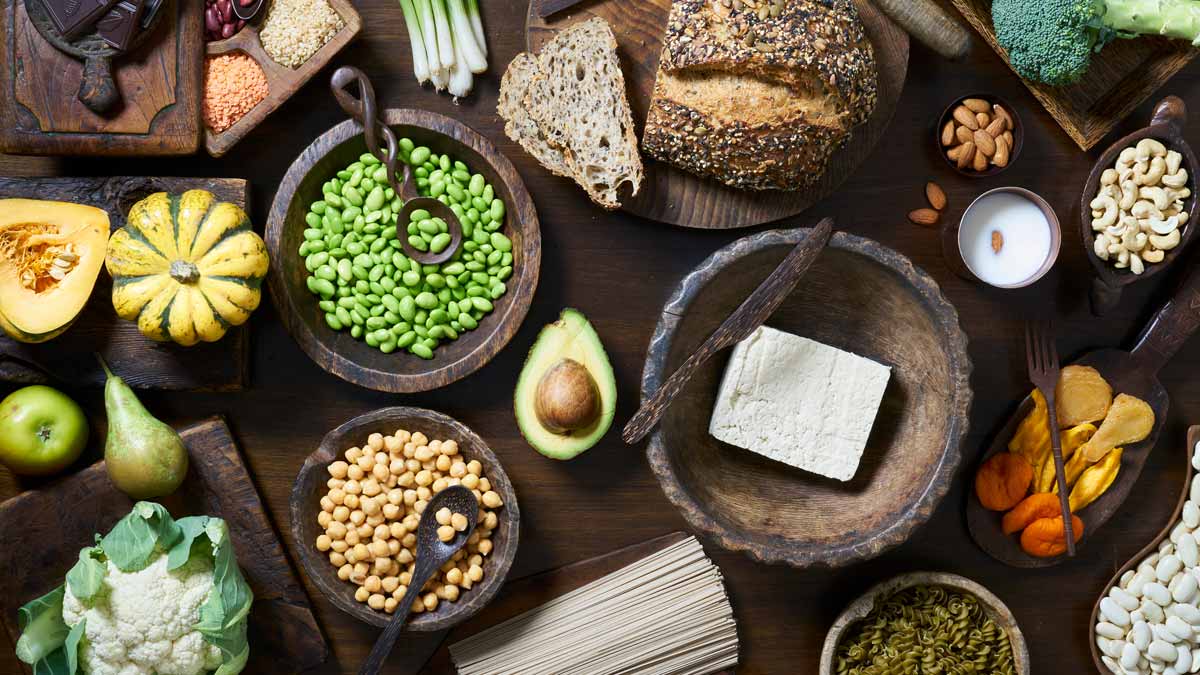
If you have high blood pressure, Jones also recommends following the DASH diet, which is rich in fruits, vegetables, low-fat or nonfat dairy, and whole grains. “It’s the most effective eating pattern to lower blood pressure,” he says. Research shows it can lower blood pressure (both systolic and diastolic, the bottom number) by up to 10 points. Everyone should limit alcohol, too. Newer research suggests that over time, consuming any amount will raise blood pressure.