



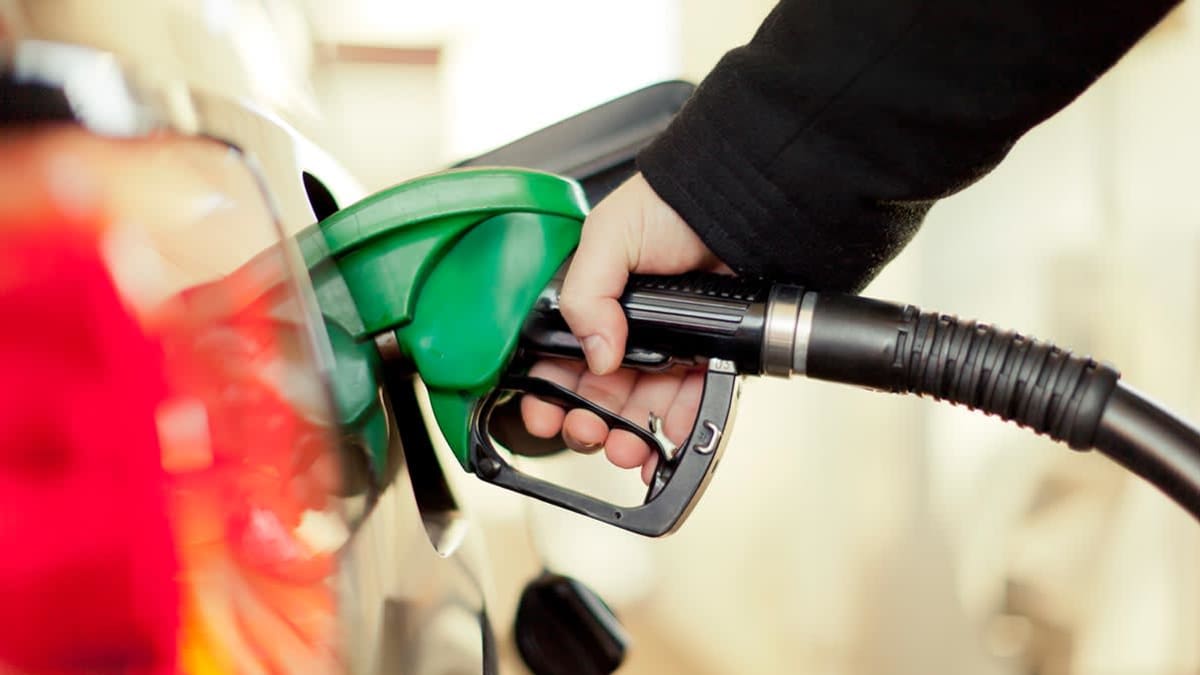
Top Tier gasoline was developed in 2004 to go beyond the minimum standard for detergent additives to better protect increasingly sophisticated engines from carbon buildup and deposits on the intake valves, which can result in a rough idle, acceleration hesitation, knocking/pinging, and reduced fuel economy.
Over the past 20 years, engines have become far more precise, operating under tighter tolerances and at higher compression ratios, while targeting cleaner emissions and improved fuel economy. To achieve these goals, several major automakers—Audi, BMW, Ford, General Motors, Honda, Mercedes-Benz, Subaru, Stellantis, Toyota, and Volkswagen—have united in support of Top Tier gas. Most specifically recommend it to their car owners with the goal of preserving the engine’s original performance and emissions over time. (Learn who owns which car brands.)
Keeping things simple for consumers, when a participating retailer sells Top Tier fuel, all octane grades from regular to premium gasoline and diesel must adhere to the Top Tier standards. So it’s not necessary for drivers to upgrade to premium to gain the cleansing benefits.